


The defining feature of a High Current PCB is its use of Heavy Copper, typically ranging from 2oz to 6oz or more. These wider and thicker copper traces drastically reduce electrical resistance and minimize power loss. This robust structure not only enhances the board's current-carrying capacity but also significantly improves Thermal Management by dissipating heat more efficiently to prevent overheating.
Widely used in Automotive Electronics, Industrial Power Supplies, and renewable energy systems, High Current PCBs are essential for ensuring the reliability, durability, and safety of modern high-power electronic devices.
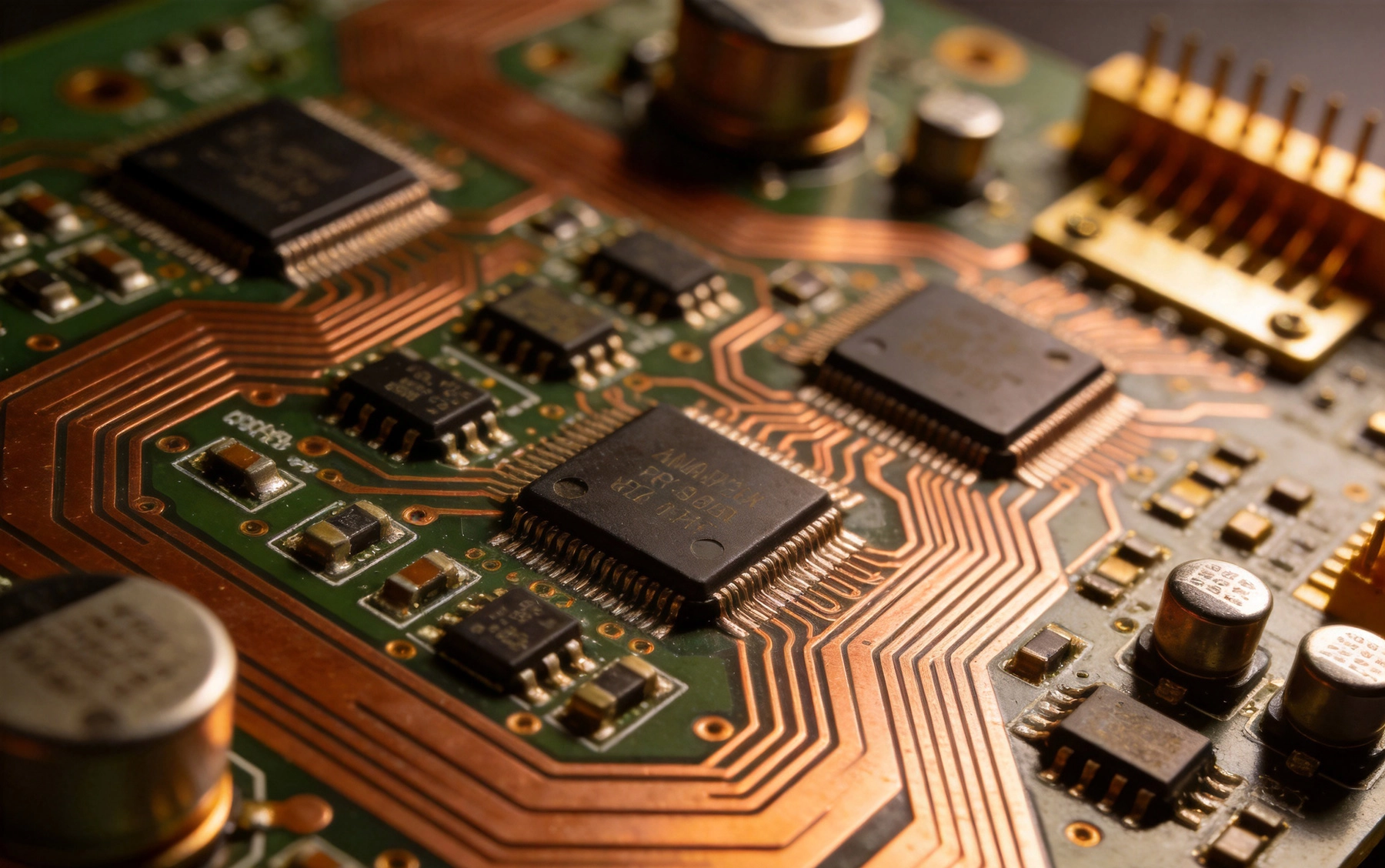
High Current PCB Design for High-Power RF AmplifiersOctober/10/2026High-power RF amplifiers sit at the intersection of two demanding disciplines: high-current power delivery and high-frequency signal integrity. A 100-watt LDMOS amplifier at 2 GHz may draw 10 amperes of drain current while its output matching network must maintain 50-ohm impedance with sub-0.5 dB ...
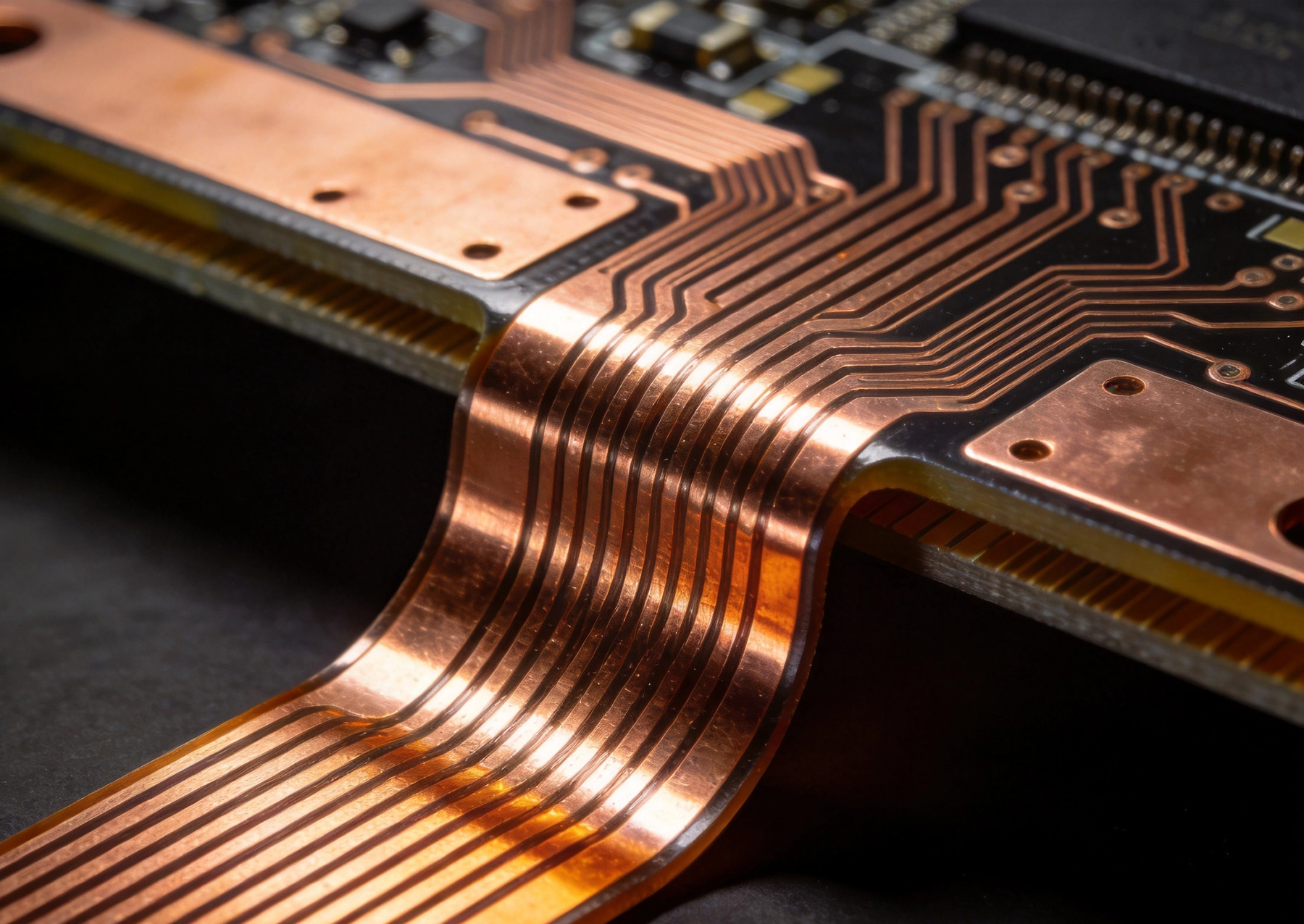
High Current PCB Flex-Rigid: Current Capacity in Bend AreasOctober/09/2026Rigid-flex PCBs solve real packaging problems. They eliminate connectors, reduce weight, and enable three-dimensional packaging that rigid boards alone can't achieve. But when you need to carry significant current—power for motors, battery systems, or high-wattage loads—through the flexible portio...
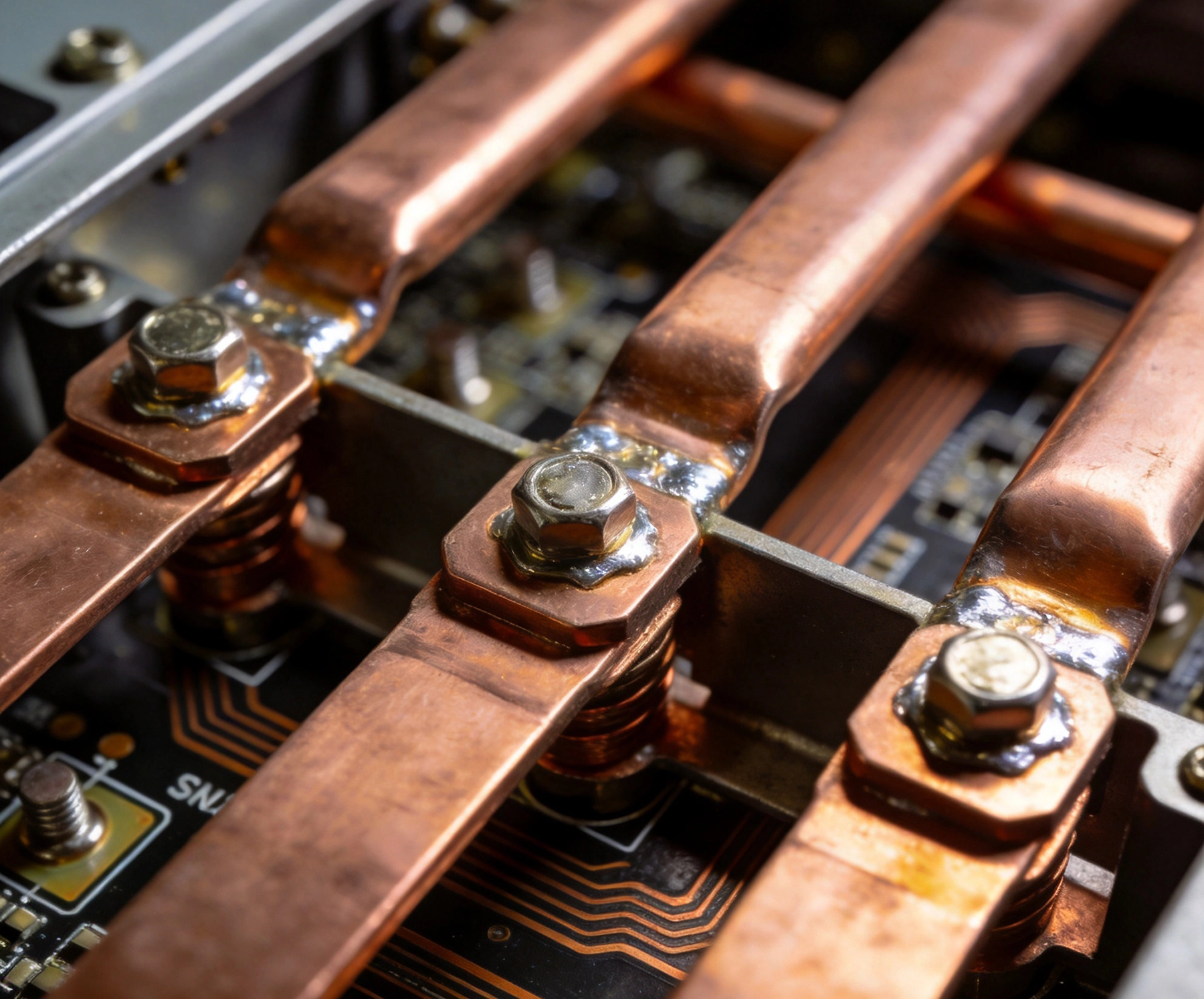
High Current PCB Design for Renewable Energy MicrogridsSeptember/30/2026Renewable energy microgrids are among the most demanding environments for power electronics. They must handle bidirectional power flow, operate reliably across wide temperature ranges, and do so while maintaining high conversion efficiency in systems that often run continuously for years without m...
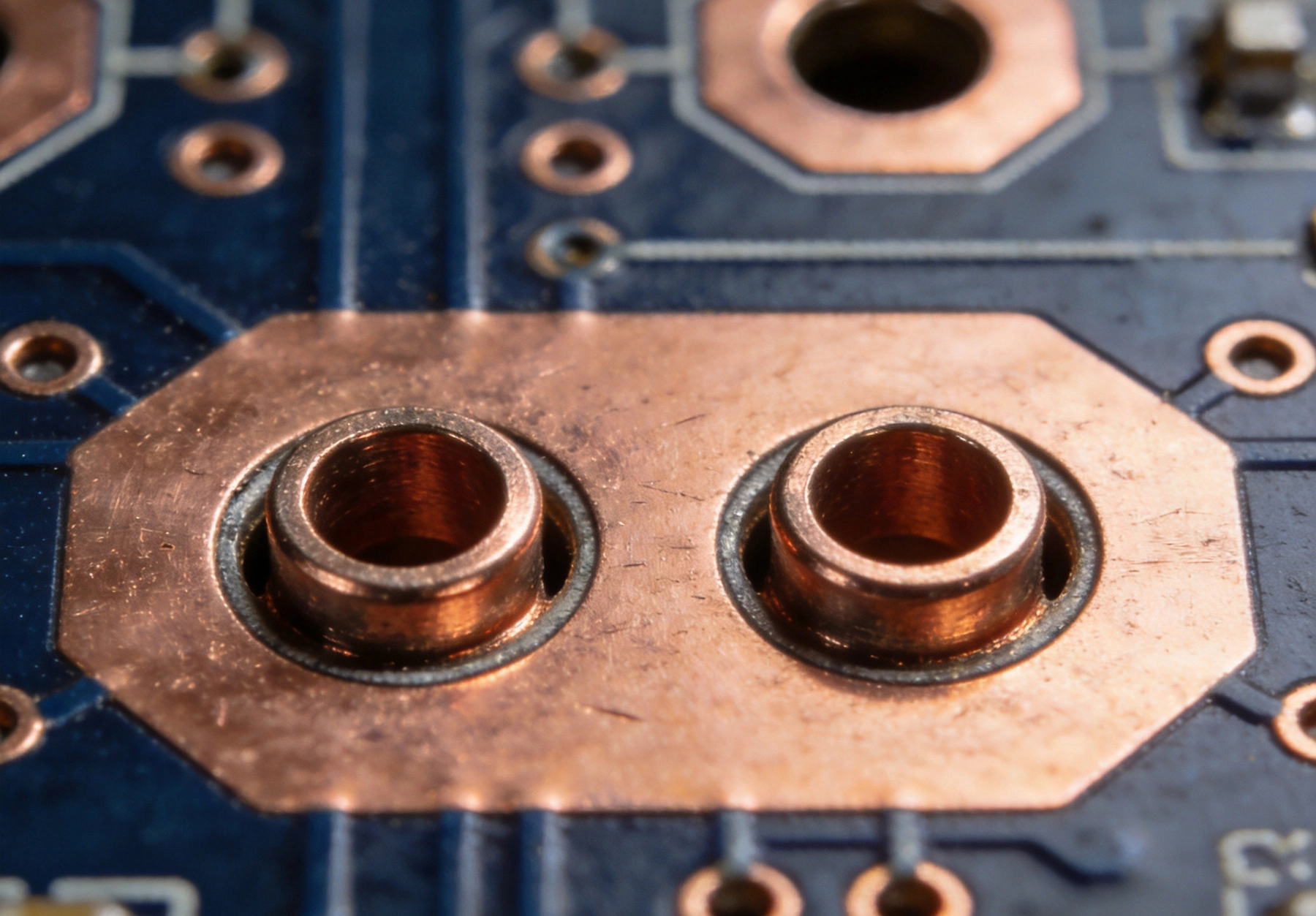
High Current PCB Mounting Holes: Plated vs. Non-Plated for Current ReturnSeptember/29/2026Mounting holes on printed circuit boards serve a dual purpose that many designers overlook: they secure the board to its chassis or enclosure, and when properly designed, they can also serve as critical current return paths between the PCB ground plane and the system chassis ground. For high-power...
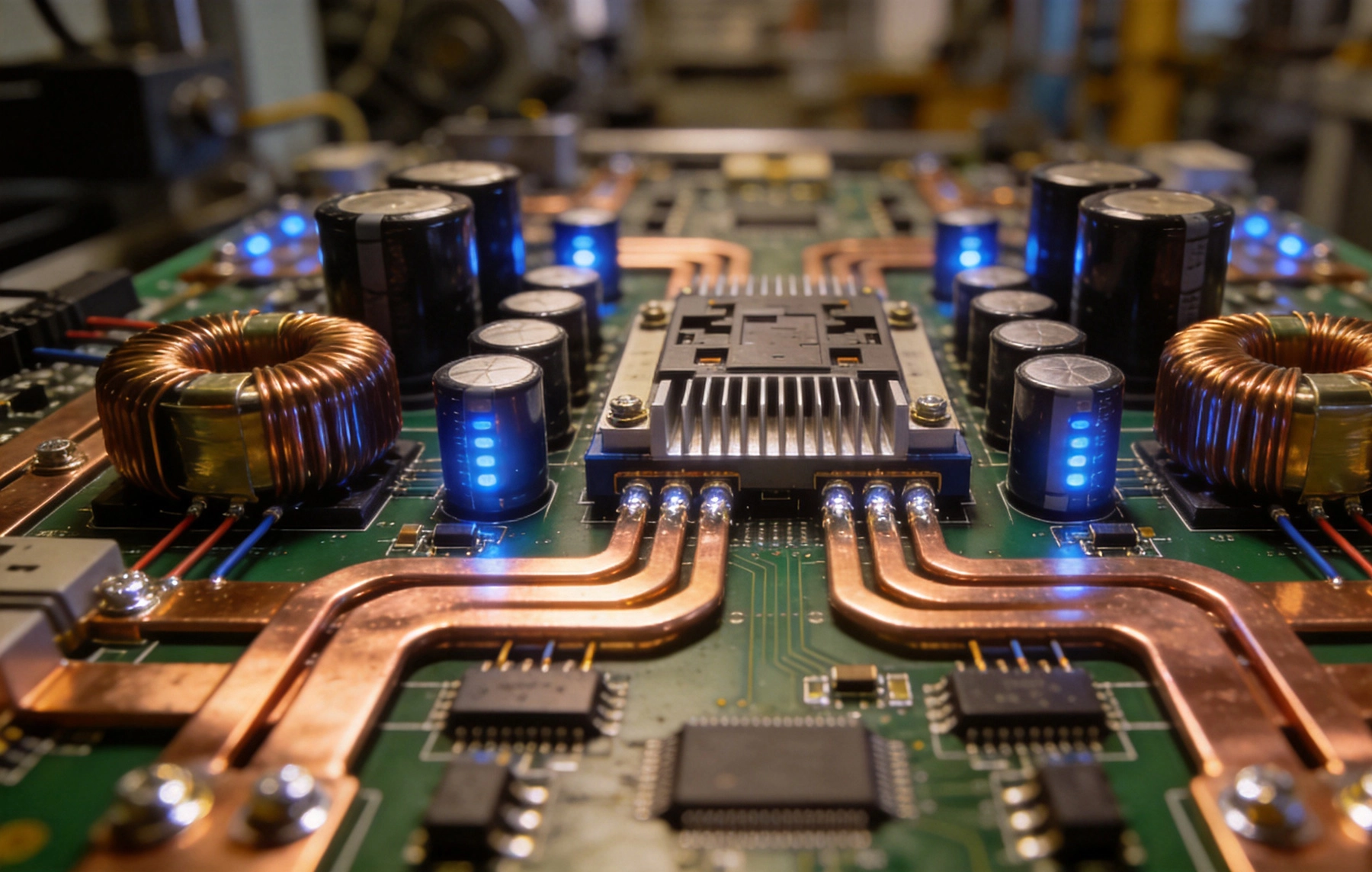
High Current PCB Design for Industrial Motor DrivesSeptember/28/2026Industrial motor drives are among the most demanding applications in power electronics. A variable frequency drive (VFD) controlling a 30kW motor might switch hundreds of amps at bus voltages of 400V to 690V, generating heat inIGBT modules, DC link capacitors, and the PCB traces that connect them....
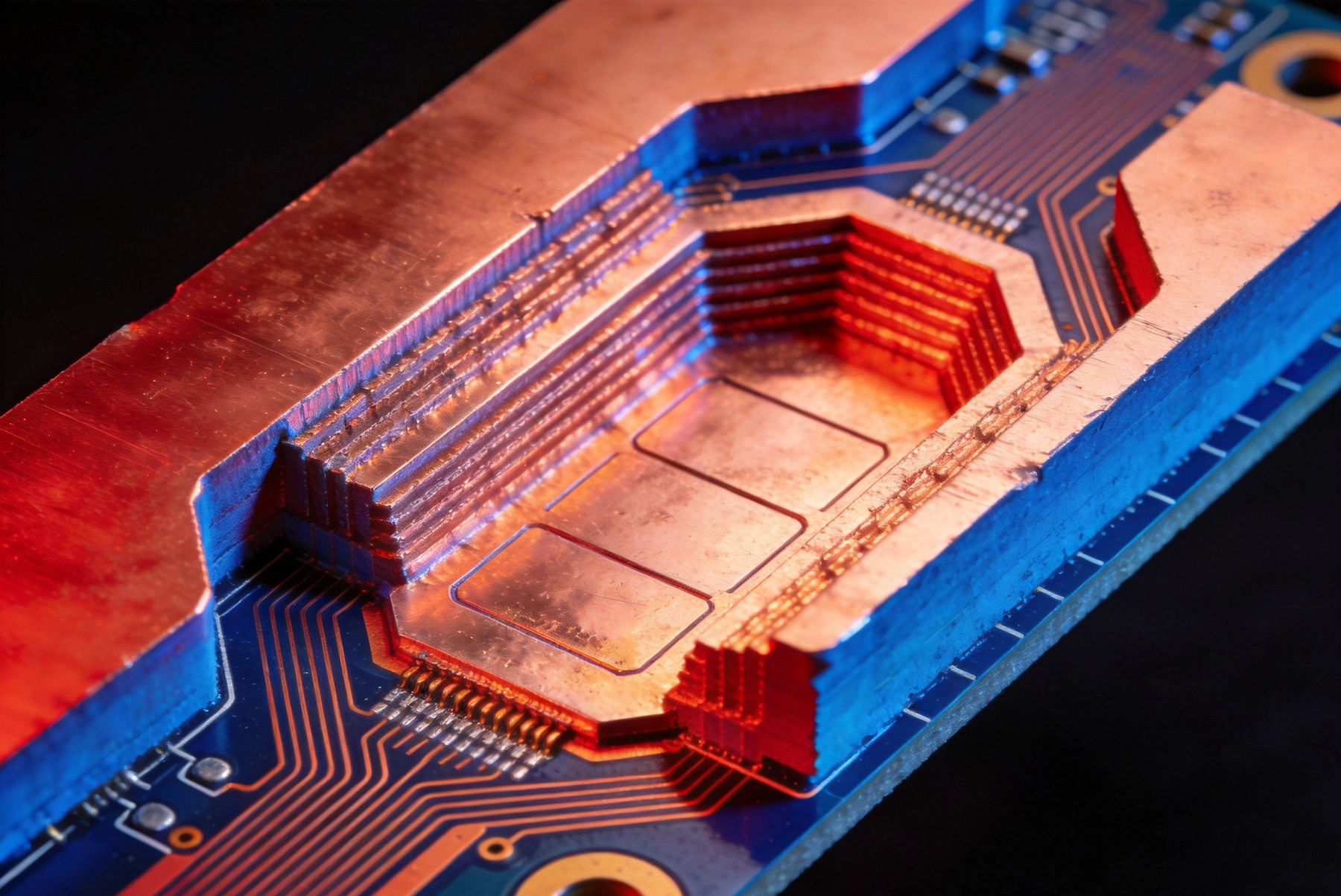
High Current PCB Embedded Copper: Internal vs. External Heat DissipationSeptember/26/2026In power electronics, managing heat is as important as managing current. A trace that can carry 20 amps on paper may fail in practice if the heat generated by I²R losses cannot escape the board fast enough. This is where the choice between internal embedded copper and external heavy copper becomes...
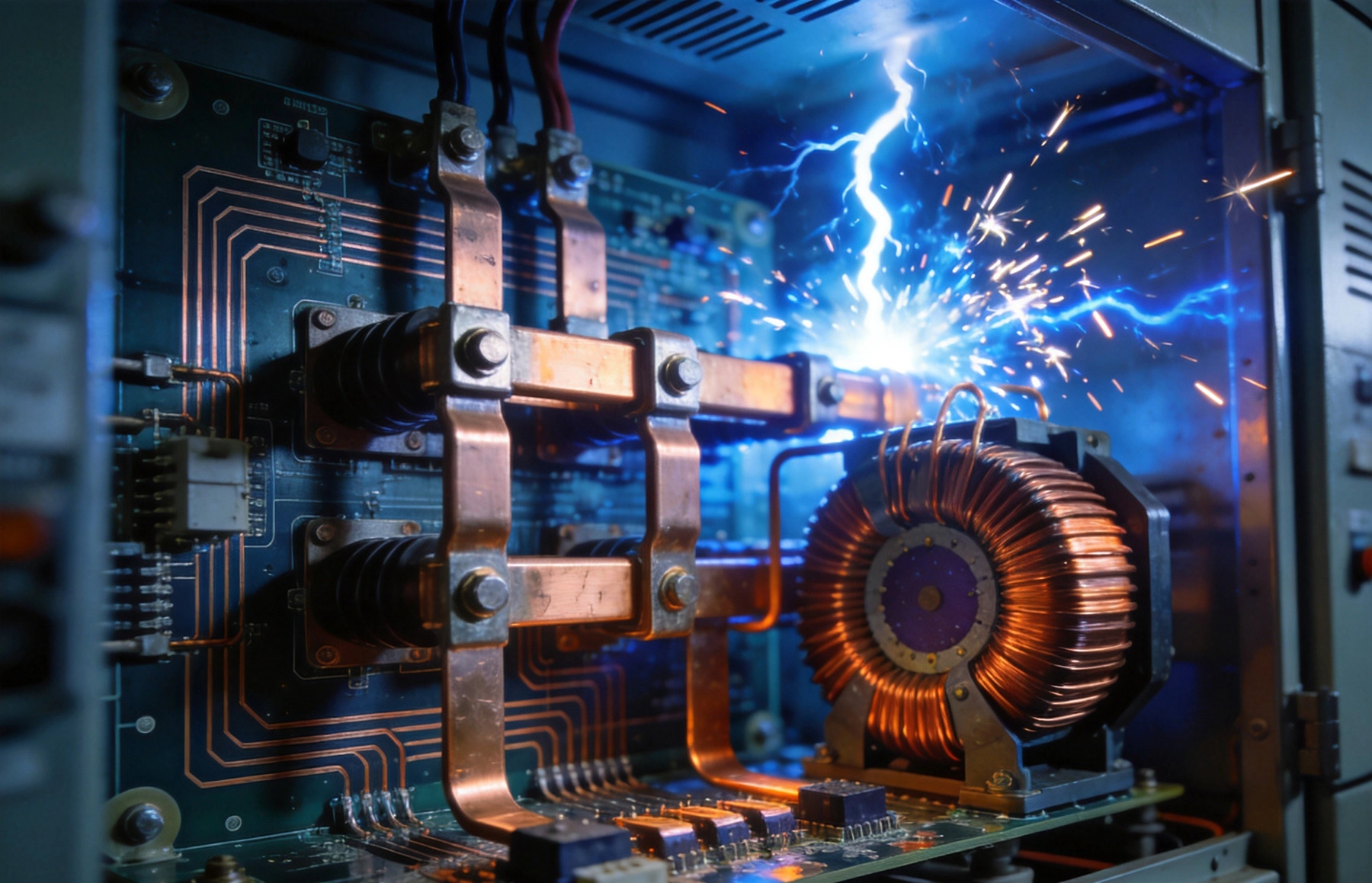
High Current PCB Design for High-Voltage DC TransmissionSeptember/24/2026High-voltage direct current (HVDC) transmission is experiencing a renaissance. As renewable energy sources—particularly offshore wind and remote solar farms—push power generation farther from population centers, HVDC's superior long-distance efficiency over AC transmission makes it the technology ...
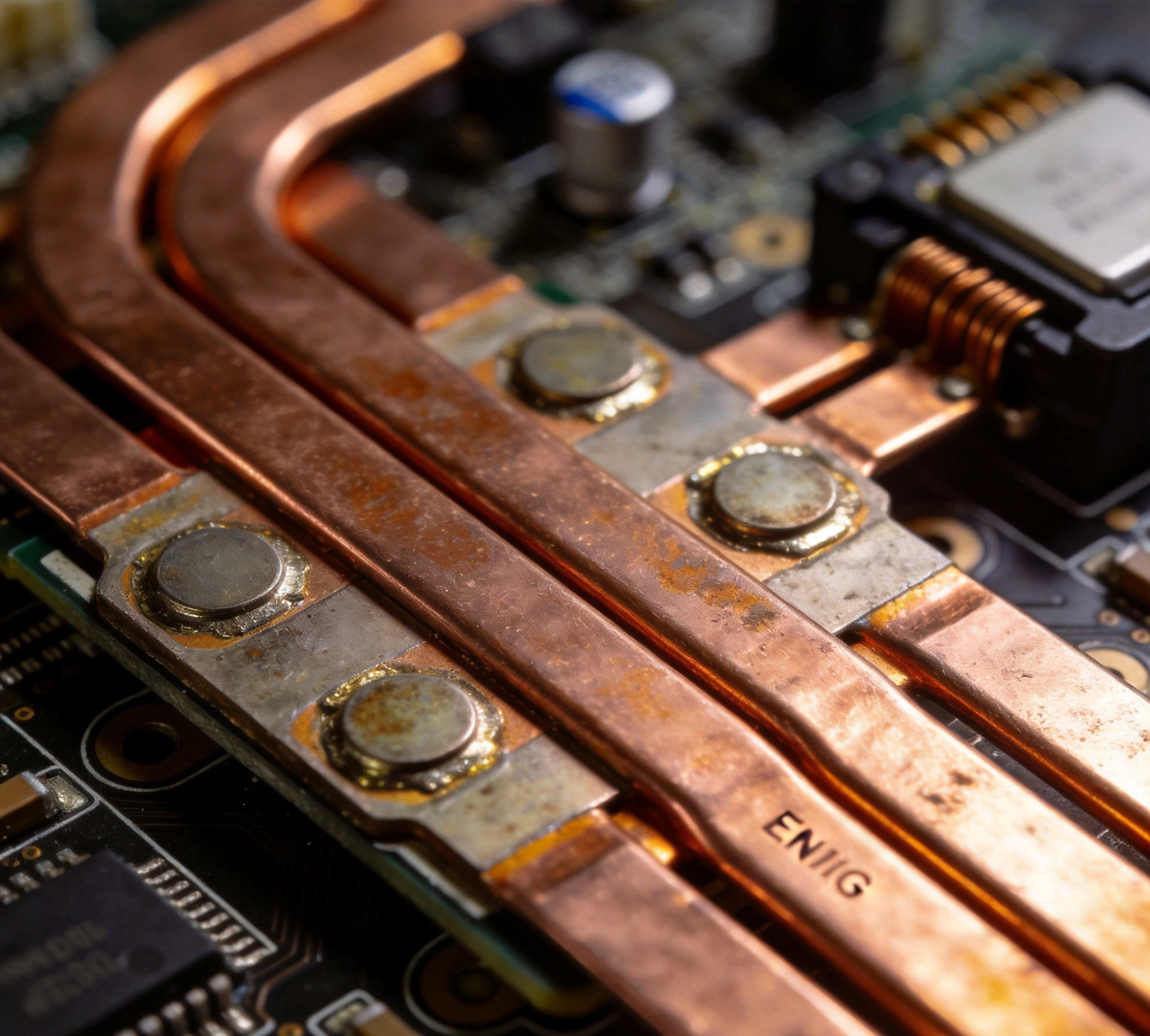
High Current PCB Surface Finish: ENIG vs. HASL for High Current PadsSeptember/23/2026High current PCB design presents unique challenges that standard surface finish selections may not address. When your board needs to carry tens or hundreds of amperes through power traces and pads, surface finish choice affects current carrying capacity, thermal performance, and long-term reliabil...
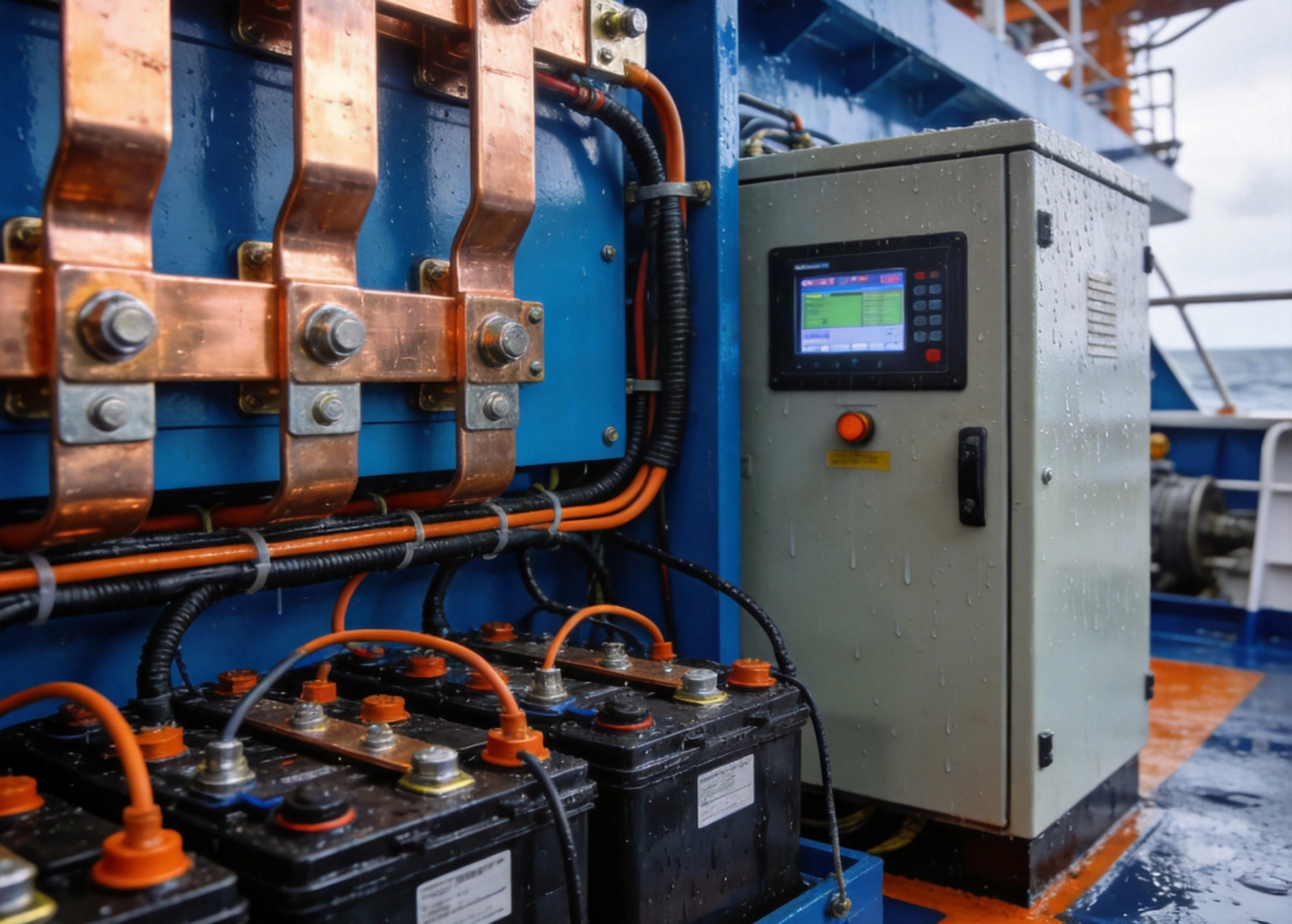
High Current PCB Design for Marine Battery SystemsSeptember/21/2026Marine battery systems operate in some of the most demanding environments in electronics. Whether powering electric ferries, offshore supply vessels, or recreational boats with advanced navigation systems, these battery banks must deliver high currents reliably while withstanding salt air, vibrati...
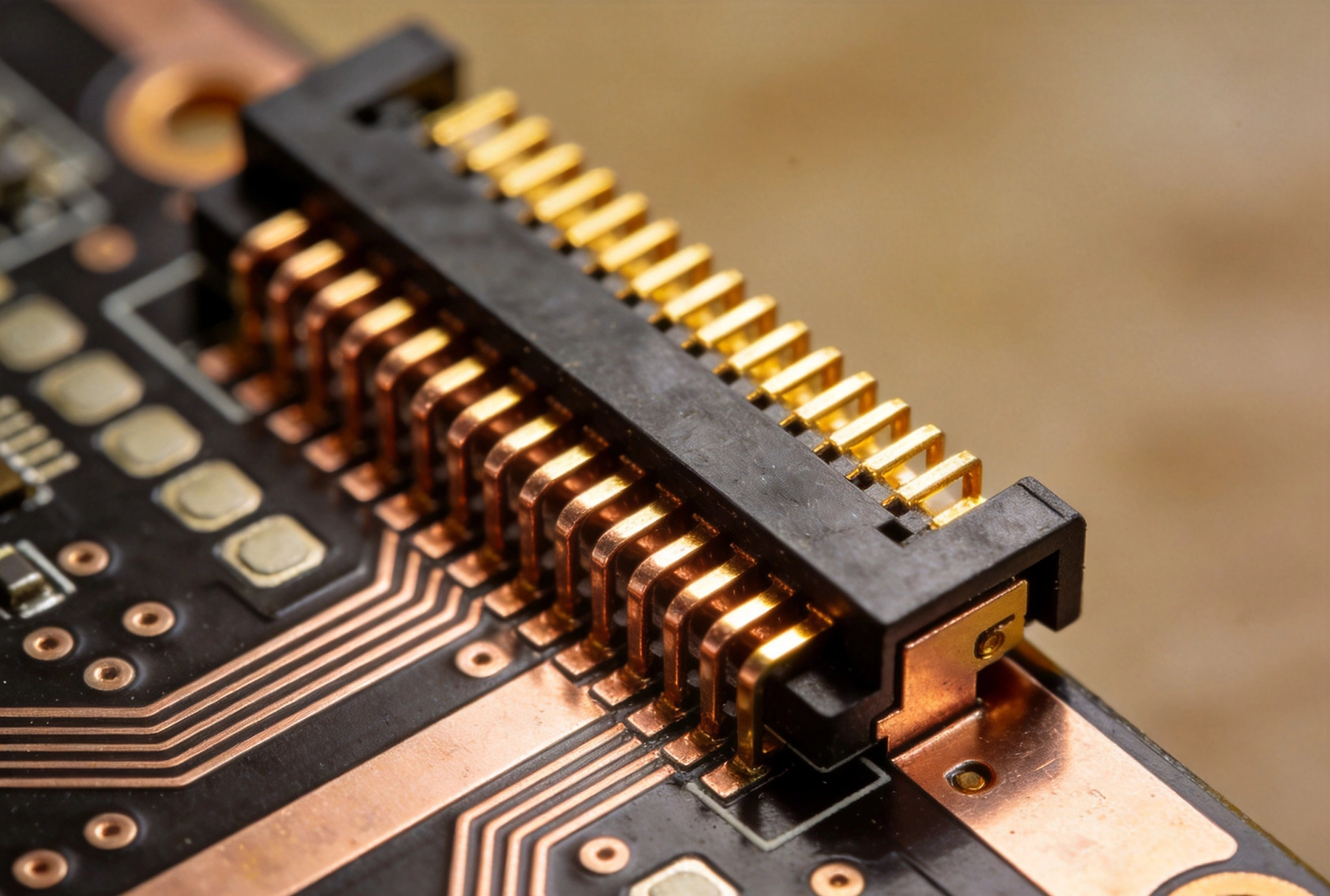
High Current PCB Edge Connectors: Current Rating and Thermal LimitsSeptember/20/2026Power delivery is the unsung backbone of every electronic system. While signal integrity and high-speed routing get the spotlight, the connectors that carry tens or hundreds of amperes into and out of a PCB determine whether a design runs cool and reliable or overheats and fails. High-current PCB ...
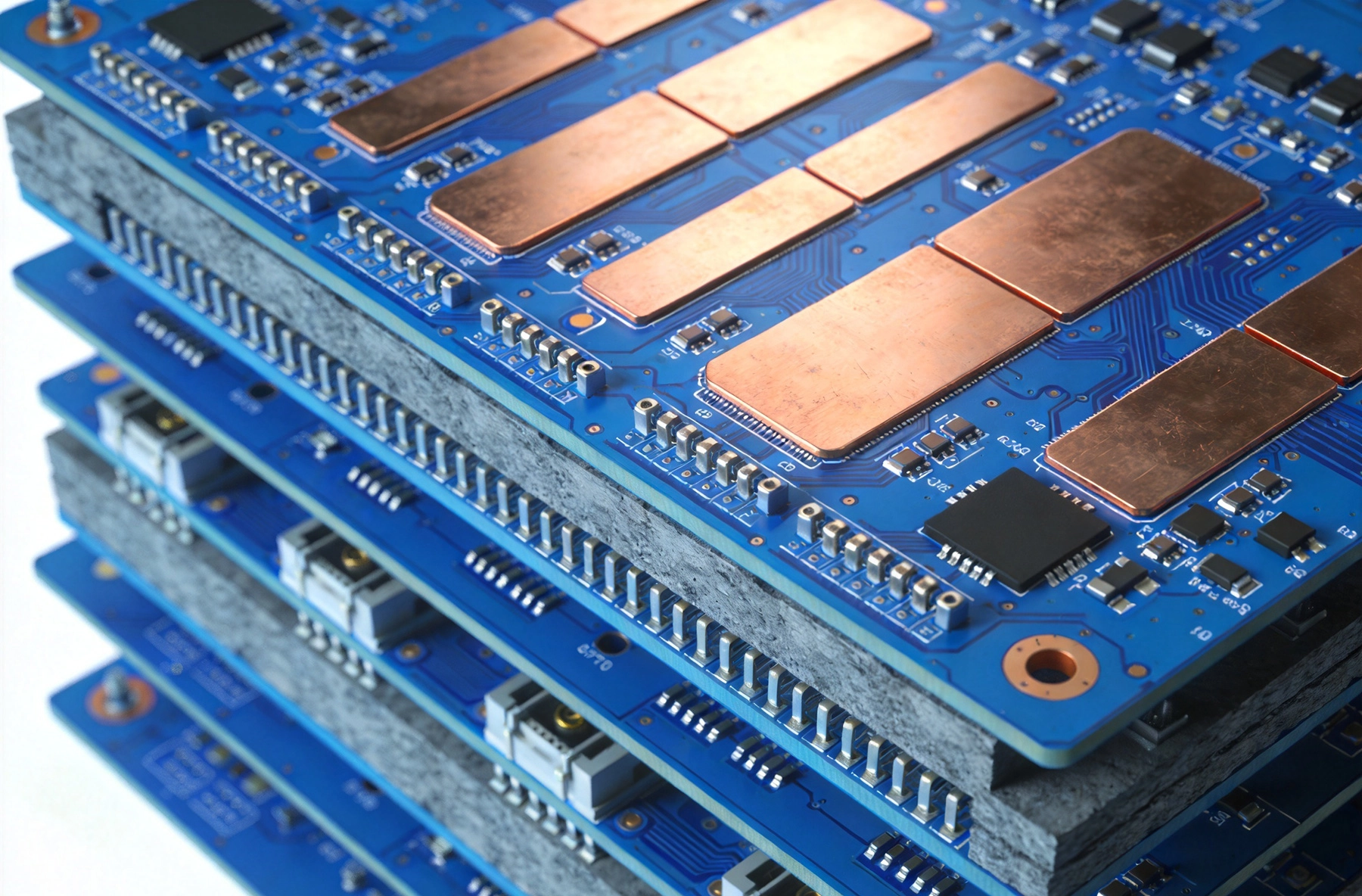
High Current PCB Design for Telecommunications Base StationsSeptember/18/2026Telecommunications base stations are among the most demanding environments for printed circuit board design. A single macro cell site houses power amplifiers, radio transceivers, filters, and baseband processing units — all running simultaneously, all generating heat, and all relying on a PCB infr...
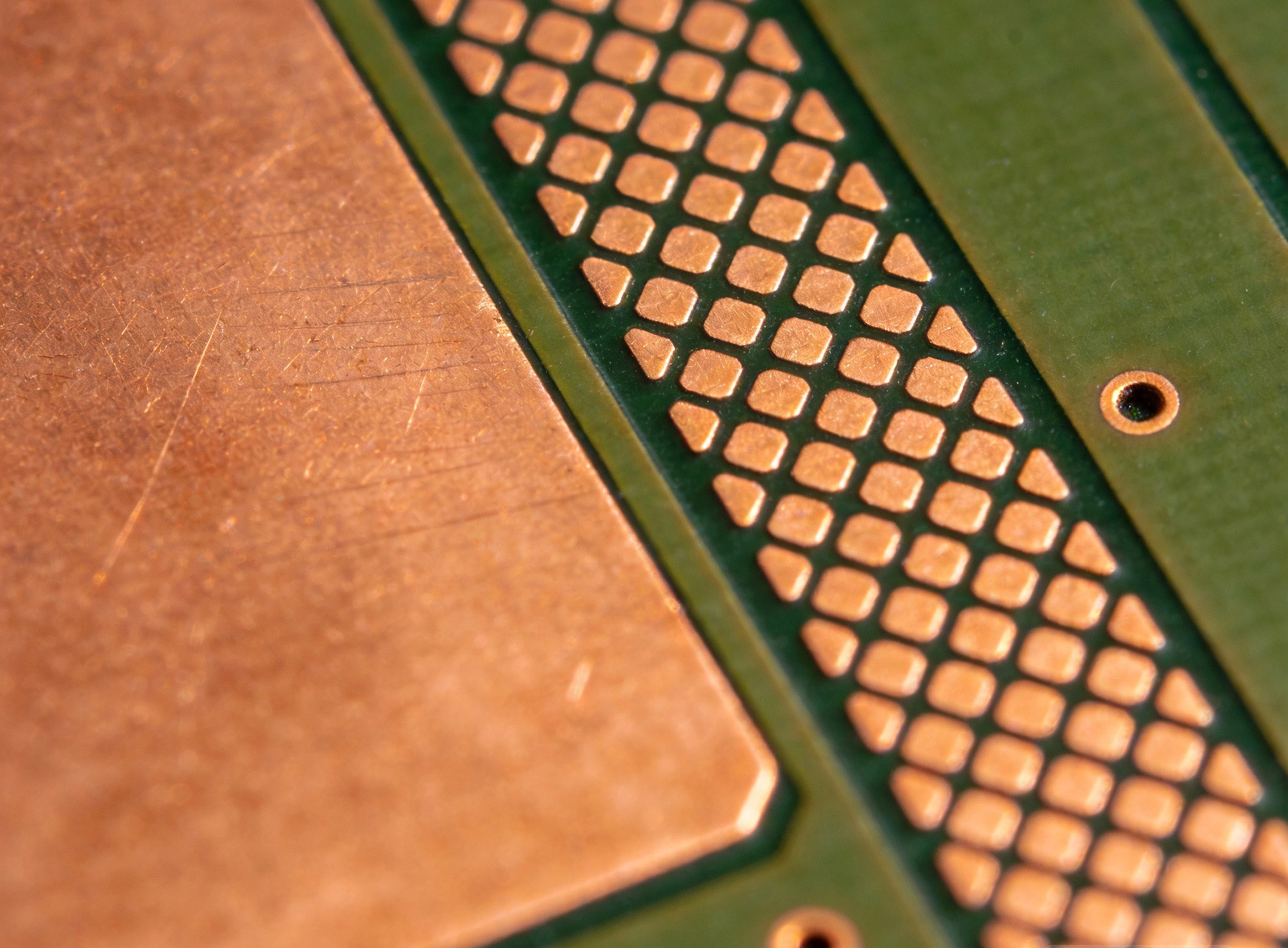
High Current PCB Copper Fill: Solid Pour vs. Hatched Pattern PerformanceSeptember/17/2026In power electronics PCB design, how you fill unused board area with copper matters more than most engineers realize. The choice between a solid copper pour and a hatched (crosshatch) copper pattern is not purely aesthetic—it directly impacts current carrying capacity, thermal dissipation, EMI shi...